On this page
Keto from the Halal Perspective
By now, you must have heard of the new dietary lifestyle known as “keto” or the “ketogenic” diet, or you may have unknowingly stumbled upon some keto-approved products during your grocery errands. You may also be well acquainted with the term ‘halal’ – an Arabic word used to denote that which Muslims are allowed to consume. Halal also carries the connotation of ‘healthy’, ‘balanced’, and ‘humane’. It would be relatively easy to see why these two concepts can live harmoniously, however, halal dietary laws are governed by scripture which are timeless, while new diets and health regimes, such as keto, are subject to change. Additionally, some argue that keeping a keto diet can’t be halal, because Muslims should not restrict themselves from what is lawfully permissible. It is important to understand the arguments, and the solutions so that the bounds of halal are never breached.
So let’s delve right into the topic!
What is Keto?
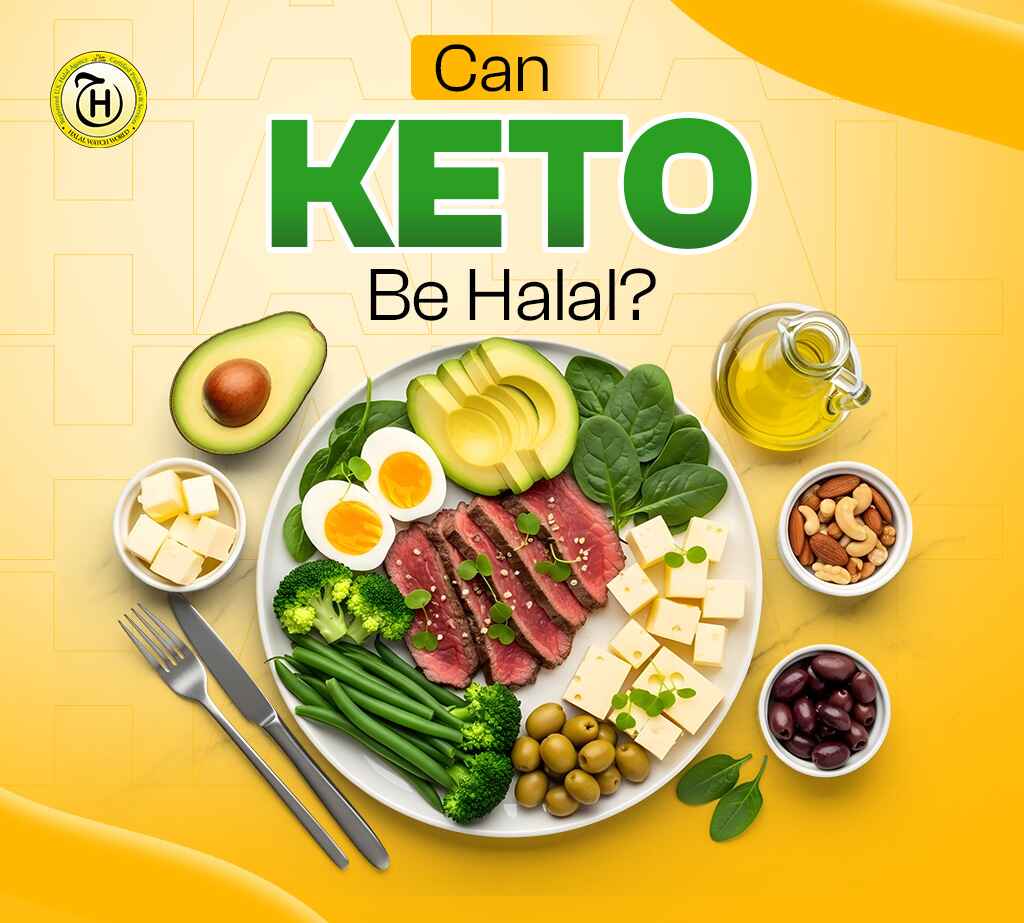
Following a keto diet is a popular way to diet, with many fitness models and bodybuilders who swear by it religiously. So what is Keto and how does it work? Keto is a low-carb, high-fat diet where consumption of carbohydrates is significantly reduced and replaced with fats. This reduction in carbohydrates puts your body in a metabolic state known as ketosis. In other words, your body becomes incredibly efficient in burning fat and generating energy.
In order to commit to a ketogenic diet, there are some rules you need to abide by. On the one hand, certain foods or ingredients have to be reduced or eliminated from your diet, including:
- Starchy vegetables and fruits that contain high levels of sugar
- Grains such as cereal, crackers, rice, pasta, bread, and whole wheat pasta
- Low-fat products (they are highly processed)
- Honey, syrup, and all types of sweeteners
- Unhealthy fats (mayonnaise, processed vegetable oils, etc.)
- Beans and legumes
- Baked goods
On the other hand, the majority of your meals will surround different types of food that include:
- Red meat
- Fatty fish (salmon, trout, tuna and mackerel)
- Eggs, butter, cream, and cheeses (unprocessed cheese, preferably)
- Healthy oils such as coconut oil, avocado oil, or extra virgin olive oil
- Low-carb vegetables (peppers, onions, tomatoes, etc.)
- Assorted nuts and seeds
- Avocadoes
The Conflict Between Keto and Halal
As mentioned in the opening, some argue that maintaining a keto diet is not halal, because Muslims should not restrict themselves from what is permitted. The argument is supported by the statement in the Qur’an, where Allah SWT says: “[66:1] “…why do you prohibit [yourself from] what Allah has made lawful for you…?”
How To Incorporate Keto Into A Halal Cultural Diet
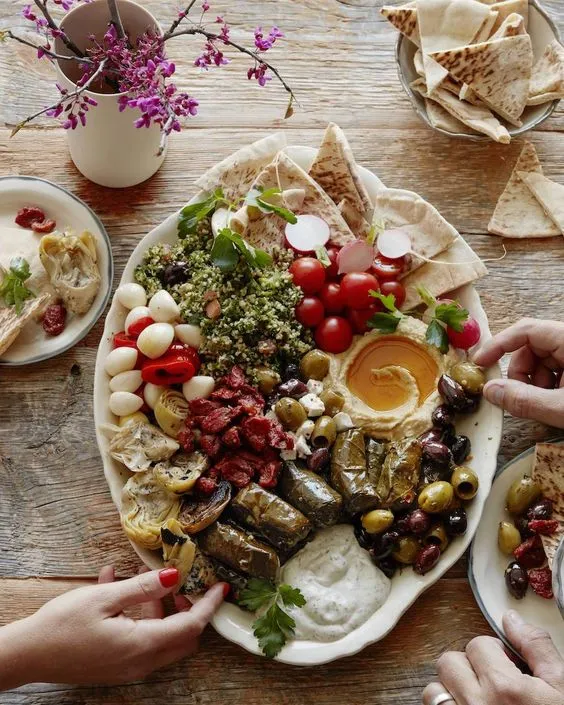
Be aware of side dishes
Is Your Product Ready for Halal Certification?
Get a Free Expert Evaluation Today
Discover if your ingredients, processes, and facilities align with Islamic dietary laws.
Start your Free Halal Compliance Check now — no obligation!